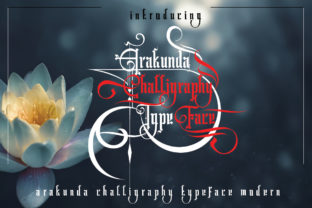
Arakunda: A Calligraphy Font With Luxe Craft Appeal
There is a quiet kind of magic in watching a handwritten word come to life on a candle label or a wedding invitation. As a maker, I am always chasing that feeling—the one where a design shifts from ordinary to intentional with a single type choice. Arakunda is one of those rare finds that delivers that shift effortlessly. It is a beautiful calligraphy font with elegant swashes that inject a luxurious feel into every project it touches. The moment I installed it, I knew it would become a staple in my design toolkit for everything from product packaging to printable wall art.
What makes Arakunda stand out is not just its graceful letterforms but the way it balances ornament with readability. Many calligraphy fonts lean too heavily into flourishes and lose clarity at smaller sizes. Arakunda manages to hold its own. The swashes are elegant without being overwhelming, and the letter connections feel natural, almost like genuine hand lettering. For a small shop owner creating physical products, that balance is everything. Your customers need to read the words clearly, whether they are scanning a sticker sheet or admiring a wooden sign from across a room.
The Visual Personality of Arakunda in Handmade Design
When I describe Arakunda to fellow crafters, I tell them to imagine the kind of typeface you would find on a high-end boutique tag or a couture brand label. It has a romantic, feminine energy that leans into modern luxury without feeling dated. The strokes are fluid, the swashes extend with a dancer's grace, and the overall impression is one of refined elegance. This font does not shout for attention; it invites the viewer to lean in closer.
For printable product creators, this personality is gold. Arakunda transforms a simple text-based design into something that feels curated and premium. Think about the difference between a plain serif title on a journal cover and the same title set in Arakunda. The latter instantly communicates care, craftsmanship, and a higher perceived value. Customers notice that difference, even if they cannot articulate why they love the design. They simply feel it.
I have found that Arakunda works exceptionally well for projects that need a touch of softness and sophistication. It pairs beautifully with floral motifs, watercolor textures, and minimal layouts where the typography takes center stage. If you sell digital downloads or printed goods, adding this font to your creative arsenal can elevate your entire product line.
Practical Craft Projects Where Arakunda Shines
The versatility of Arakunda surprised me. I initially purchased it for wedding stationery, but it quickly found its way into almost every corner of my handmade business. Here are some of the most rewarding applications I have discovered.
Labels and Product Packaging
Handmade candle labels, soap wrappers, and jar tags benefit enormously from the luxurious feel of Arakunda. When I design a label for a coconut wax candle, I use Arakunda for the scent name and a clean sans serif for the details. The result is a label that looks like it belongs on a boutique shelf. Customers have commented that the typography makes the product feel more expensive, which is exactly the reaction you want when selling handmade goods. The font's swashes can frame a short product name beautifully, creating a custom logo-like effect without any graphic design experience.
Wedding and Event Stationery
This is where Arakunda truly feels at home. Invitation suites, RSVP cards, place cards, and welcome signs all benefit from the romantic calligraphy style. I have used Arakunda for bridal shower invitations, and the feedback was overwhelmingly positive. The font reads well on both textured paper and smooth cardstock, and the swashes add a bespoke feel that couples love. For wedding welcome boards, pairing Arakunda with a light serif font creates a timeless, elegant look that photographs beautifully.
Wall Art and Home Decor Signs
Farmhouse signs, nursery name plaques, and inspirational quote prints are all elevated with Arakunda. When cutting vinyl with a Cricut or Silhouette machine, I recommend sizing the font generously and weeding carefully, especially around the delicate swash details. The extra effort is worth it. A family name cut in matte gold vinyl on a wooden board looks stunning and sells consistently at craft fairs. For printable wall art, the font renders beautifully at larger sizes, making it ideal for digital downloads that customers print at home or through a photo lab.
Stickers and Small Merchandise
Sticker sheets, planner decals, and small labels require careful font selection. Arakunda performs well at moderate sizes, but I avoid using it for anything smaller than about 12 points in print. The swashes can become fragile at tiny scales, and cutting machines may struggle with the intricate curves. For kiss-cut sticker sheets, I keep the text bold enough to maintain readability and structural integrity. The font works wonderfully on die-cut stickers, bookmarks, and small favor tags where the text remains a focal point.
Apparel and Tote Bags
Heat transfer vinyl projects get a major upgrade with Arakunda. The flowing letterforms look beautiful on tote bags, t-shirts, and sweatshirts. One of my favorite projects was a line of canvas tote bags with single-word affirmations set in Arakunda. The swashes added movement and personality that a standard block font simply could not achieve. When pressing onto fabric, I recommend a slightly thicker stroke setting if your software allows it, or selecting a bold weight if available, to ensure durability and clean adhesion.
How Arakunda Affects Product Presentation and Brand Identity
Typography is one of the most underrated tools in a handmade seller's branding kit. The right font can unify your product line, create instant recognition, and evoke the emotional response you want from your customers. Arakunda does all of this with quiet confidence. When I use it consistently across my product photos, packaging, and social media graphics, my brand begins to feel cohesive and intentional.
Perceived quality is a real factor in pricing handmade goods. A beautifully designed label or tag signals to the customer that care went into every detail. Arakunda, with its elegant swashes and refined calligraphy style, raises that perceived quality significantly. I have noticed that products featuring this font tend to receive more engagement on social media and sell faster at in-person markets. The emotional appeal is strong—customers associate the flowing script with special occasions, heartfelt moments, and meaningful purchases.
Brand consistency also benefits from a signature display font. Whether you sell on Etsy, Shopify, or at local craft fairs, using Arakunda for your product names, logo text, or hero images helps customers remember you. Over time, they will recognize your style before they even see your shop name. That kind of recognition builds trust and repeat sales.
Readability and Practical Considerations for Makers
As much as I love decorative fonts, I always test them rigorously before committing to a product design. Arakunda passed my tests with flying colors, but there are a few things to keep in mind. Short phrases, names, single words, and titles are where this font truly excels. It is a display font by nature, designed to make an impact in headlines and focal points rather than long paragraphs of body text. I would not use it for ingredient lists, lengthy instructions, or any block of text that requires sustained reading. Save it for the moments that matter most—the couple's names on an invitation, the scent name on a candle, the header of a pricing sign.
For cutting machines, I advise doing a test cut on scrap material before running a full project. The swashes are elegant but slender, and intricate details can tear if the blade is too sharp or the material is too thin. Slowing down the cut speed and using a fresh blade usually resolves any issues. For small stickers and product labels, always print a mockup preview at actual size to check legibility. What looks perfect on a screen can sometimes feel cramped in your hand.
Mockup previews are especially important for digital product sellers. I place Arakunda text on a mockup in my listing images to show customers exactly how the font will look in their own projects. This builds trust and reduces questions about sizing and style. The font photographs well and looks stunning on styled flat lays, which adds to its commercial appeal.
Font Pairing Ideas for a Polished Look
One of my favorite design exercises is pairing an expressive script font with a clean, understated companion. Arakunda shines brightest when it has room to breathe, and a thoughtful pairing can make all the difference. For a classic and timeless combination, I reach for a simple serif font with delicate weight. The contrast between the flowing calligraphy and the structured serif creates a polished, editorial feel that works for wedding suites, boutique branding, and upscale packaging.
For a more modern look, I pair Arakunda with a crisp sans serif font. The clean lines of a geometric sans serif balance the ornate swashes and keep the overall design feeling fresh and contemporary. This pairing is perfect for candle labels, cosmetic packaging, and digital downloads where you want a mix of luxury and modern minimalism. The key is to let Arakunda take the lead for the focal text and use the secondary font for supporting details like dates, descriptions, and contact information.
I also like experimenting with a subtle handwritten font as a supporting player. A light, simple handwritten style can add warmth without competing with the star of the show. This trio approach—Arakunda for the main title, a serif or sans serif for subheadings, and a handwritten font for accent text—gives you a versatile system for any project.
Exploring the Typographic Details
When you invest in a premium font, you want to know what you are getting. Arakunda includes elegant swashes that add a custom, hand-lettered feel to your projects. I recommend checking the font's character map or glyphs panel to access all available alternates, ligatures, and stylistic sets. These extras can dramatically change the look of a word, allowing you to customize the flow and flourish for each specific design. A single alternate character can turn a plain word into a signature mark.
File formats matter, especially for crafters who work across different software platforms. Ensure the font files are compatible with your design tools, whether you use Adobe Illustrator, Photoshop, Procreate, Silhouette Studio, or Cricut Design Space. OTF and TTF formats generally cover the needs of most small business owners. If multilingual support is important for your customer base, check which characters and diacritics are included. For many handmade sellers, supporting a few European languages opens up a broader market, especially for printables and digital downloads sold internationally.
A Note on Commercial Font Licensing
As a fellow maker, I cannot stress this enough: always check the commercial licensing terms before using a font in products you sell. Arakunda, like any creative asset, comes with a license that outlines how you can use it. Most premium fonts allow use on physical products, printed goods, and merchandise, but some restrict digital downloads, SVG designs, or template sales. Read the license carefully. If you plan to sell editable templates, digital printables, or products where the font is embedded, you may need an extended commercial license. Protecting your business with proper licensing is part of being a professional creator. It also respects the work of the type designer who made a tool as beautiful as Arakunda possible.
Using a properly licensed font in your handmade products, boutique labels, and client work gives you peace of mind and lets you focus on what you do best—creating beautiful things that people love. Arakunda has become a trusted part of my design workflow, and I believe it deserves a place in yours too.